
- Pop
- Rock
- R&B
- Jazz
- Reggae
- Reggaeton
- Classical
- Country
- Easy Listening
- Live Music Stream
- Gospel / Christian
- Latin
- Metal
- Opera
- DJ'S
- Vocal Performance
- World
- Folk
- Funk
- Instrumental
- Orchestra
- EDM
- Afrobeats
- HipHop
- Punjabi
- Podcast
- Live Performance
- Arabic
- Documentary
- Alternative
- Dance
- Animation
- Producers
- Audiobooks
- Interviews
- Instruments
- House
- Mixtapes
- Movies
- Shows
- Mexican
- Calypso
- Video Directors
- Blues
- Albums
- Soundtracks
- Theme Songs
- Workout Music
- Marching Bands
- Gaming Music
- Music Of India
- Classic
- One Hit Wonders
- Compilation
- Musical Theatre
- Street Performance
- Video Mix
- Vlog
- Party Songs
- Throwback Hits
- Karaoke
- Holiday
- Singers & Swing
- Commercials
- Archives
- Poetry
- Solid Gold Oldies
- Biography
- News-Gossip
Documentary
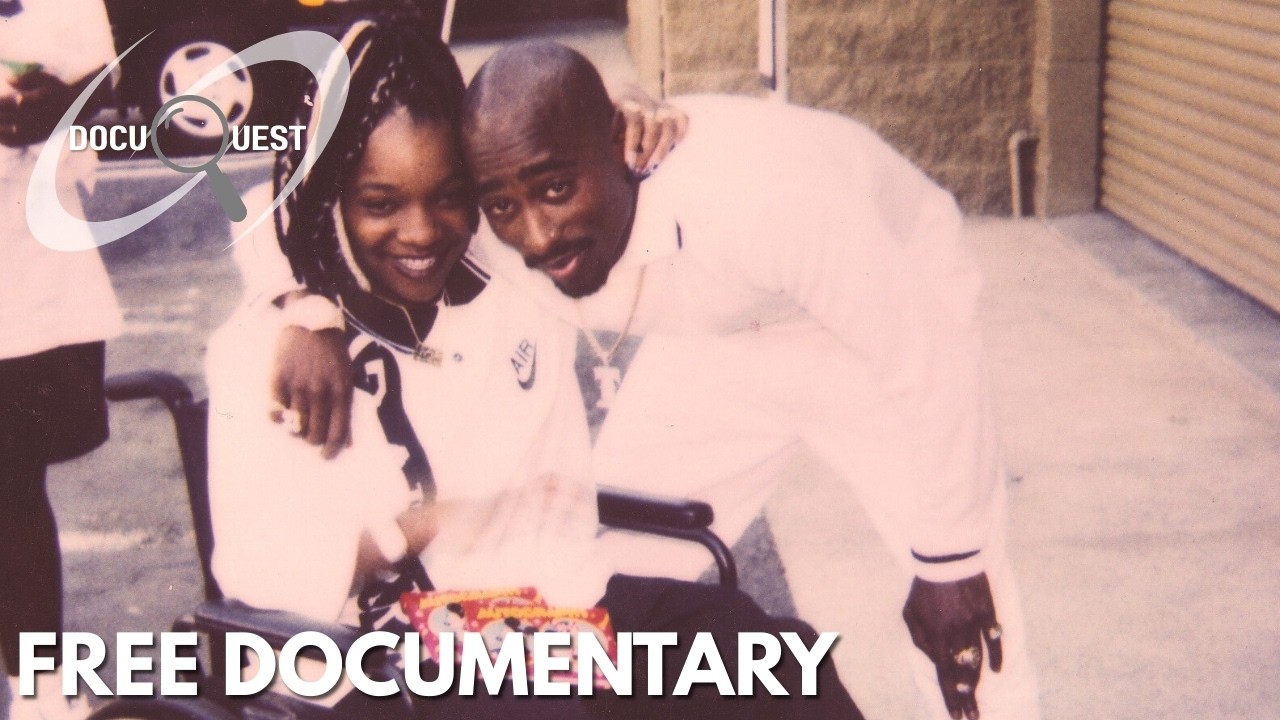

🎞️Step inside the untold story of a hip-hop icon’s final chapter — told by the voices who witnessed it firsthand. Through the eyes of industry pioneers like Eazy-E, music executive Russell Simmons, and Tupac’s personal bodyguard Frank Alexander, this gripping documentary revisits the final years of Tupac Shakur. Featuring rare interviews and never-before-seen footage, it offers a revealing perspective on the pressures, conflicts, and defining moments that shaped the legacy of one of hip-hop’s most influential voices.
🔍 Subscribe to DOCUQUEST for your favorite deep dives! https://bit.ly/DocuQuestChannel
#tupacshakur #musicdocumentary #realstory #ericdyson #freedocumentary
Tupac: Before I Wake (2010) | FREE MOVIE
https://youtu.be/treGgsdiv8U

Patreon Exclusive Content: https://www.patreon.com/celebrityunderrated
Celebrity Underrated chronicles the lives and deaths of entertainers, sports figures, world leaders, and others both famous and infamous. The channel highlights their background and upbringing, their rise to fame, their trials and tribulations, and the often mysterious circumstances surrounding the death of the deceased.
Donate to Cash App: https://cash.me/$celebrityunderrated
Exclusive Content: https://www.patreon.com/celebrityunderrated
Clothing Store: https://teespring.com/stores/celebrity-underrated
Business Inquiries: celebrityunderratedtv@gmail.com
https://twitter.com/celebrityunderrated
https://www.instagram.com/celebrityunderrated/

50 Cent and Jimmy Henchman were involved in one of the most controversial feuds in hip-hop history. This documentary explores the complete story behind the conflict, the allegations, the fallout, and how it changed rap forever.
From G-Unit and Shady Records to the biggest moments in the feud, this is the full history of the war between 50 Cent and Jimmy Henchman.
This hip-hop documentary covers:
• 50 Cent’s rise through G-Unit
• Jimmy Henchman’s role in the music industry
• The origins of the feud
• Major allegations and controversies
• The impact on hip-hop culture
• The aftermath of the conflict
If you enjoy documentaries about 50 Cent, G-Unit, The Game, Eminem, Death Row Records, Tupac, Dr Dre, Jay-Z, DMX, hip-hop history and rap beefs, subscribe for more weekly documentaries.
#50cent #jimmyhenchman #gunit #hiphopdocumentary #rapbeef
🛒 Official Hip Hop Files Merch:
Grab limited edition tees & hoodies here:
https://the-hip-hop-files.myshopify.com/
🌍 Get NordVPN Deal ( Up to 74% off) : https://nordvpn.com/thehiphopfiles
☝️ Click the link above to unlock content worldwide

Experience the untold story of the most iconic rock and roll band in history. This comprehensive documentary explores the meteoric rise, musical genius, and ultimate collapse of The Beatles. From their gritty early days playing rhythm and blues to the unbelievable recording of their first album in a single day, witness how John Lennon, Paul McCartney, George Harrison, and Ringo Starr completely revolutionized pop music. The film takes a close look at the intense pressures of global fame, highlighting John Lennon's complex leadership and the harsh reality behind his controversial remarks that sparked nationwide outrage. As their sound evolved from simple teenage anthems to the profound, psychedelic brilliance of Sgt. Pepper and the White Album, the intense studio sessions revealed deep creative fractures. Explore the heartbreaking final years of the band, the tragic struggles with addiction during the Let It Be sessions, and the profound legacy left behind after Lennon's shocking death. Perfect for lifelong fans of classic 1960s rock, this film provides an honest look at the ambition, the artistry, and the heavy toll of becoming music legends.
Want to watch more pop culture documentaries?
Click here: https://bit.ly/3bYuq2i
#amplified

Cream stands as one of the most significant musical forces of the 1960s, a trio that reshaped the landscape of rock by integrating raw blues power with jazz-inspired improvisation. This story examines the short-lived but explosive career of Jack Bruce, Eric Clapton, and Ginger Baker, who created timeless classics like Sunshine of Your Love and White Room. Beyond the music, this look back confronts the intense reality behind their rapid rise, the volatile creative partnership with lyricist Pete Brown, and the heavy internal pressures that led to their abrupt collapse at the peak of their fame.
Want to watch more pop culture documentaries?
Click here: https://bit.ly/3bYuq2i
#amplified

In 1979, a quiet twenty-one-year-old completely rewrote the rules of popular music. Armed with a newly found synthesizer, Gary Numan went from experimenting with concrete blocks and gates to securing consecutive number-one albums. But overnight stardom brought a relentless onslaught from the media and a level of pressure that pushed him into a premature retirement at Wembley Arena. This documentary chronicles the decades-long journey of a true electronic music pioneer. We follow his raw battles with mental health, Asperger's, and the childhood trauma of heavy psychiatric medication. Supported by his family and fellow rock icons, Numan fought his way back from the brink of obscurity to reclaim his crown on the very stage he walked away from. It is a powerful narrative of resilience, artistic integrity, and the enduring power of family.
Want to watch more pop culture documentaries?
Click here: https://bit.ly/3bYuq2i
#amplified
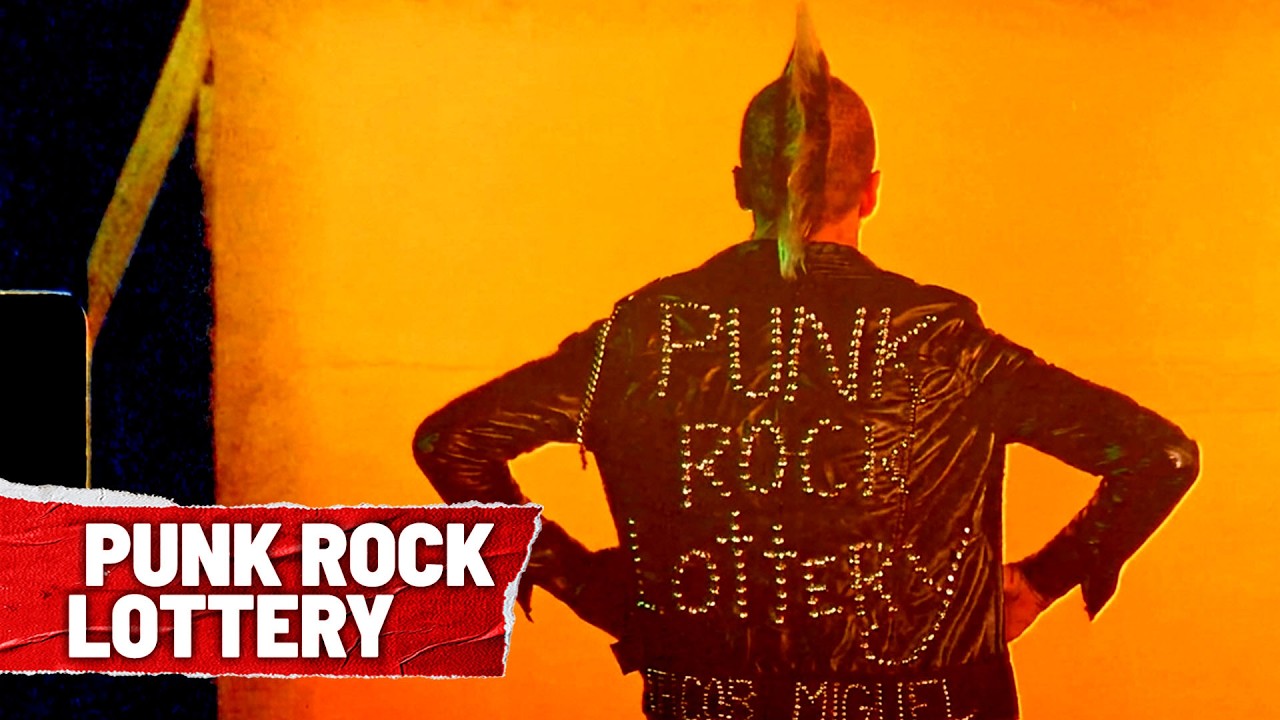
Step back in time and witness the raw, unfiltered energy of Austin, Texas, where the underground music spirit is alive and kicking. This feature-length film takes you inside a wild annual experiment where local musicians are randomly paired together to write songs, build logos, and perform live in just one month. Along the way, we trace the roots of the city's counterculture movement back to legendary venues and historic police standoffs that shaped generations of rock and roll rebels. Experience the chaos, the camaraderie, the dropped members, and the magic of true do-it-yourself music making where total strangers become lifelong bandmates.
Want to watch more pop culture documentaries?
Click here: https://bit.ly/3bYuq2i
#amplified
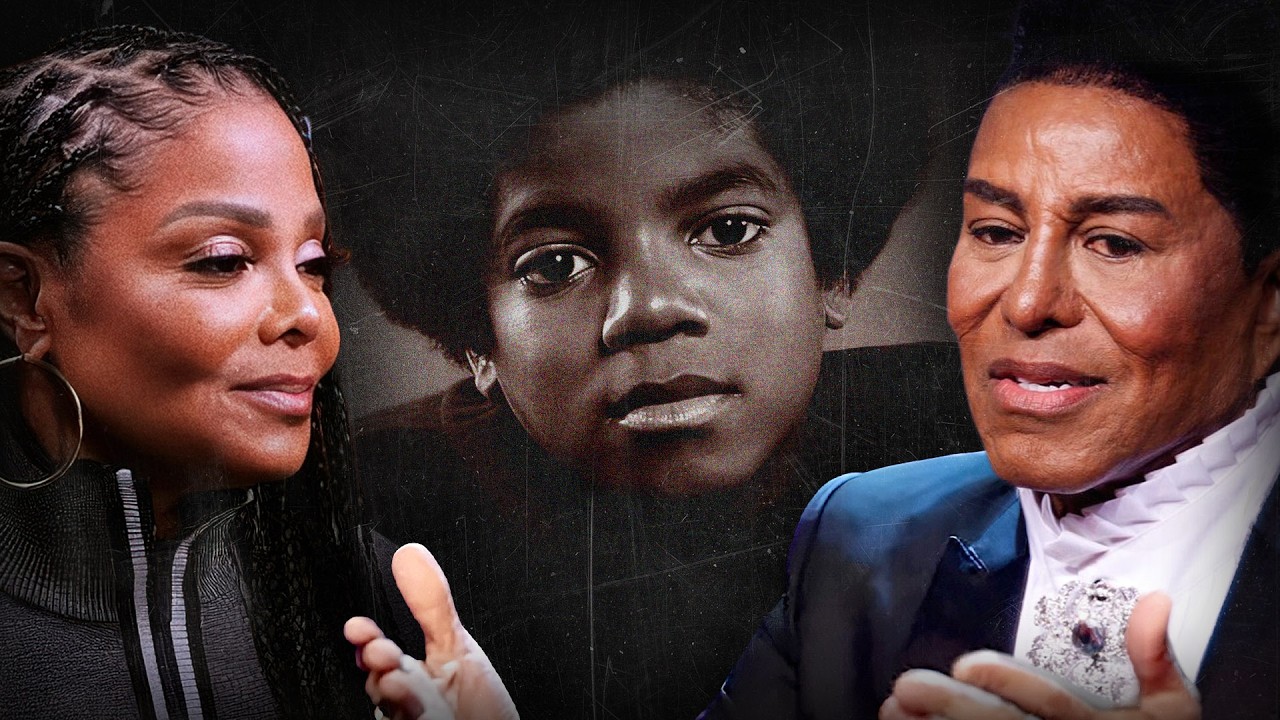
For decades, the story of Michael Jackson's childhood has been told through headlines, documentaries and interviews. But what did the people who grew up beside him actually have to say?
In this video, we explore Michael Jackson's early years through the eyes of his brothers and sisters, using rare interviews with the Jackson family to uncover what life was really like growing up before fame and fortune in Gary, Indiana.
From their humble beginnings at 2300 Jackson Street to the relentless rehearsals that transformed the Jackson 5 into global superstars, the Jackson siblings share firsthand memories of Michael as a child, Joe Jackson's parenting, Katherine Jackson's influence, and the family dynamic that shaped one of the greatest entertainers in history.
▶️ WATCH NEXT
🎥 https://www.youtube.com/watch?v=uKkl0DpWIUc
🎥 https://www.youtube.com/watch?v=tFC0bg3tlPQ
🎥 https://www.youtube.com/watch?v=b_UgZAVDN-A
💬 FOLLOW THE DETAIL.
📱 TikTok → https://www.tiktok.com/@thedetailmj
🎬 Subscribe → https://bit.ly/2wHjIuF
💭 Weekly deep dives into the man, the music, and the magic of Michael Jackson.
⏱️ CHAPTERS
00:00 - Intro
00:24 - The Jackson Family Home in Gary, Indiana
02:42 - Growing Up With Michael
03:47 - Forming The Jackson 5
06:35 - How Michael Joined The Group
09:23 - Their Father & His Parenting
13:11 - Did They Lose Their Childhood?
16:23 - Michael's Claims of Abuse
🎵 MUSIC
All music sourced from Epidemic Sound → https://share.epidemicsound.com/mlmwhk
✨ ABOUT THE DETAIL.
The detail. is the ultimate Michael Jackson documentary channel, uncovering the man behind the legend. Through interviews, archives, and rare footage, we reveal the truth about his music, fame, and humanity.
📺 New documentaries and shorts every week.
#michaeljackson #joejackson #jacksonfamily
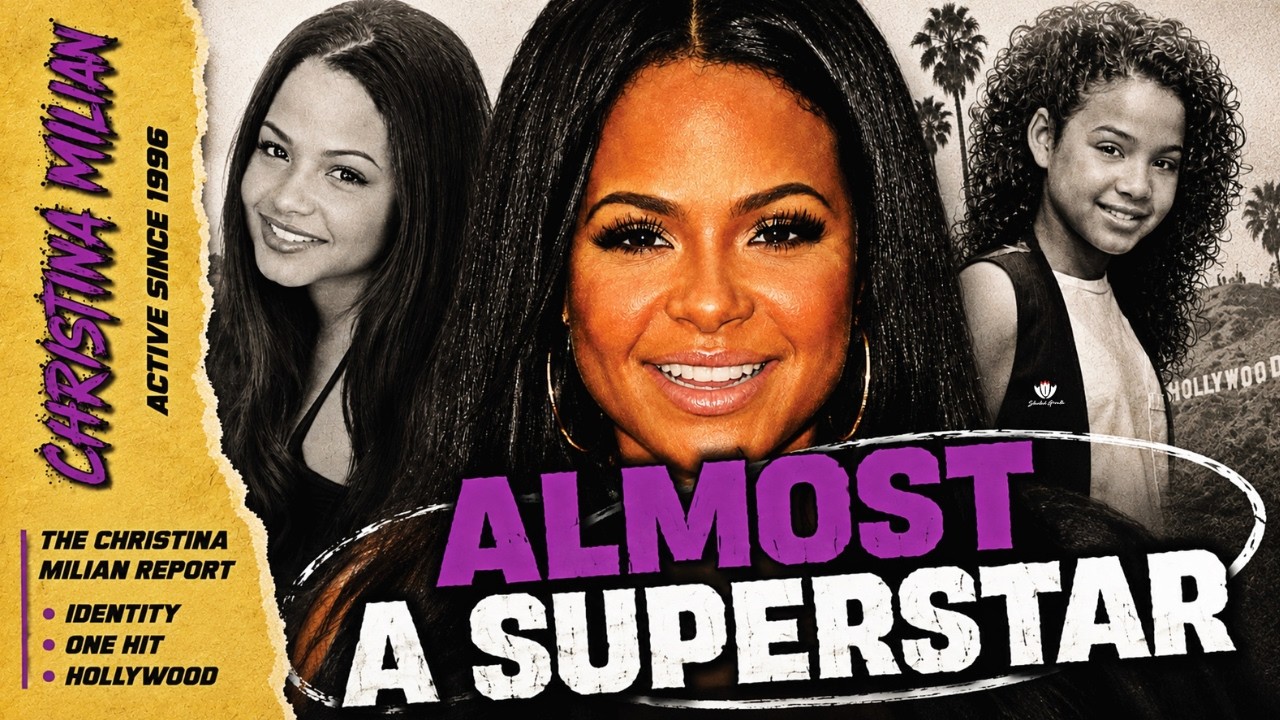
Christina Milian looked like she had everything needed to become one of the next great female pop stars of the 2000s. She had the major label backing, the image, the movies, and even a Top 10 hit with "Dip It Low." But somehow, the superstar career many expected never happened.
In this episode of Stunted Growth Music, we break down the three biggest reasons Christina Milian never reached the level many thought she would. She Was Supposed To Be The Next Pop Superstar... What Happened To Christina Milian?
Chapters
0:00 Intro
1:58 History
3:26 Stunt #1 – No Clear Identity
5:43 Stunt #2 – Never Built On The Biggest Hit
8:03 Stunt #3 – Music Stopped Being Her Best Opportunity
10:25 Conclusion
🎵 Stunted Growth Music: @stuntedgrowthmusic
📸 Instagram: @stuntedgrowth3
🐦 X: @stuntedgrowth3
If you enjoyed the video, don't forget to Like, Comment, and Subscribe for more stories on the artists who shaped music history.
#christinamilian #dipitlow #popmusic #rnb #stuntedgrowthmusic

In September of 2021 Ashanti told a national television audience she had her masters. Ten months later the recordings from her 2002 debut were sold to a company in Los Angeles, and nothing from that sale reached her. She was telling the truth that day. It still did not get her the records.
Subscribe to master the business behind the fame:
👉 Celebrity Investments: https://www.youtube.com/@Celeb....rity-Investments?sub
We traced what Ashanti actually owned through the album credits, the 2005 federal indictment against Murder Inc., the jury verdict from a contract she signed at sixteen, Irv Gotti's sale of the master recordings, and the January 2026 federal ruling that closed the door most people think is still open. This is the difference between owning your masters and owning the right to re-record them, and why it decides who gets paid.
📌 CHAPTERS
00:00 The record she never owned
00:39 The night she said it on live TV
03:51 What a re-recording right actually is
05:36 Who held the paper on the masters
08:05 The federal case that broke the label
10:09 The verdict against Ashanti herself
11:54 The sale she was not part of
14:22 The album that never came
16:03 Why the masters never revert
18:15 What she has and what she does not
SOURCES
US Attorney EDNY, Murder Inc. indictment (justice.gov): https://www.justice.gov/archiv....e/usao/nye/pr/2005/2
Irv Gotti on the Iconoclast deal (Billboard): https://www.billboard.com/musi....c/rb-hip-hop/irv-got
Salt-N-Pepa v. UMG dismissal (Music Business Worldwide): https://www.musicbusinessworld....wide.com/salt-n-pepa
#celebritybusiness #investing #networth #entrepreneur #wealth #documentary #ashanti #murderinc #musicroyalties #masters

Before the hits… before the fame… there was one man behind it all.
This is the untold story of Hurby “Luv Bug” Azor — the mastermind who helped shape some of the most iconic acts in hip-hop history. From launching Salt-N-Pepa to crafting the sound and image of Kid ‘n Play, Hurby didn’t just produce records… he built stars.
In this documentary, we break down how Hurby discovered talent, created crossover hits, and played a major role in bringing hip-hop into the mainstream. His influence helped define an era — but his story is rarely told.
If you’ve ever wondered who was really behind some of hip-hop’s biggest early successes… this is that story.

More untold hip-hop stories coming soon — subscribe so you don’t miss the next documentary.
#hurbyazor #saltnpepa #kidnplay #hiphophistory #80shiphop #hiphopdocumentary #raphistory #hiphopculture #musicdocumentary #goldenerahiphop

In February 2024, Lil Durk won a Grammy. By October 2024, he was in federal custody. This is the full story of how it happened — and what comes next.
In August 2022, five men flew from Chicago to Los Angeles. They tracked a rapper to a gas station near the Beverly Center. They opened fire. 18 rounds. The intended target survived. His 23-year-old cousin didn't.
Two years later, a federal grand jury would call that operation a murder-for-hire. And the man they say ordered it? Grammy-winning Chicago rapper Lil Durk — at the time one of the most commercially successful drill artists in history.
This is the full documentary breakdown of the Lil Durk federal case: the streets behind it, the losses that led to it, the text message that may convict him, and what happens when the trial begins August 20, 2026.
COVERED IN THIS VIDEO:
— Lil Durk's rise from Englewood to the top of drill music
— The OTF label and the war that ran beneath it
— King Von: who he was, how he died, and why it changed everything
— The FBG Duck murder and OTF's connection
— DThang's death and the alleged revenge that followed
— The August 2022 Los Angeles operation — full breakdown
— Loyal Bros 2: the most incriminating rap album ever released
— The arrest, the three one-way flights, and the denied bail
— The new RICO charges filed June 2026 — case just got bigger
— What happens at trial on August 20, 2026
LEGAL NOTE: Durk Banks has pleaded not guilty to all charges. All claims in this video are sourced from federal indictments, court filings, and verified public reporting. This video contains personal analysis of publicly available information and is covered by fair use.
#kingvon #drillmusic #traploreross
lil durk federal case | lil durk documentary | lil durk rico | lil durk murder for hire | lil durk trial 2026 | otf | king von death | quando rondo | lil pab | chicago drill | only the family

Len: Whatever happened to the one hit wonder group behind 'Steal My Sunshine'
SIGN UP for 10 of the Craziest Stories in Rock N' Roll [Secret Playlist]: https://bit.ly/3vVPAEF
Have a video request or a topic you'd like to see us cover? Fill out our google form!
https://bit.ly/3stnXlN
-----CONNECT ON SOCIAL-----
Instagram: https://www.instagram.com/rocknrolltruestories
Facebook: https://www.facebook.com/RNRTrueStories
Twitter: https://twitter.com/rocktruestories
Blog: www.rockandrolltruestories.com
#len #stealmysunshine
i cite my sources and they may differ than other people's accounts, so I don't guarantee the actual accuracy of my videos.
If you remember the summer of 1999, then you might remember the pop hit Steal My Sunshine. By the group Len. Hailed the song of the summer back then, it was pretty much inescapable, but whatever happened to the group Len? That’s what were going to explore in today’s video.
Len would be The brainchild of brother and sister Sharon and Marc Costanzo the pair grew up together in Montreal before the family moved to Toronto in the late 80’s.Influenced by punk rock and hip hop, Marc started a punk rock group in 1991. His sister Sharon would join the band a year later, but Marc’s own admission his band’s musical talent was limited and usually resulted in the group’s members smashing their instruments on stage since it seemed to attract more people.
Soon enough Marc grew tired of playing in a failing band. It was during this time he bought equipment to create his own home studio and started recording other bands. He would soon meet some other musiciansincluding DJ Moves and D-Rock who would become future members of Len. It was these chance meetings that led Marc to start creating his own beats. Soon enough Len would be born and the group would release 2 rock and pop oriented albums in 1995 and 1997 on their own indie label Funtrip along with a lone EP. According to Billboard, each independent LP sold around 10-15,000 copies.
In 1995 and 1997 Len would release their first two albums, on their own indie label Funtrip along with a lone EP. According to billboard each independent LP sold about 10-15,000 copies.Marc Costanzo who would also go by the name burger pimp would draw on influences including the beastie boys, ll cool j and the fat boys. He would remark on the music scene in the late 90’s saying to the LA Times “The reason why we listen to a lot of old-school is that new-school hip-hop--besides underground [stuff]--is so lost,
Len’s lineup would consist of the brother sister pairing along with a revolving cast of studio and touring musicians. The band would sign a deal with Sony subsidiary Work. Their time in that punk rock band i previously discussed would come in handy as the band subscribed to the punk rock ethos of DIY. Even after signing with a label they had it written in their agreement that they direct their own videos in addition to taking care of the art for their albums.The band would also launch a feature on their website in 1999 called Len TV that would allow fans to see old home movies of the group.
Titled “You can’t Stop the Bum Rush”, the album’s name would influenced by the 1987 public enemy albu, of a similar name.. The group’s major label debut would be recorded in Marc’s home studio and contain their hit single Steal My Sunshine. The song was actually a sleeper hit and it would first gain traction months before their album came out when it was included in the teen film Go. The soundtrack contained tracks from No Doubt, Natalie Imbruglia and Fatboy Slim. Out of all the songs on the soundtrack, radio seemed to gravitate towards Steal My Sunshine. LA radio station KROQ would add the song to it’s playlist dubbing it and i quote “the song of the summer.” Soon enough other radio stations started playing the track. The song would peak at number 3 in the US on the pop charts and number 9 in canada and become a top ten hit in several other countries. The success of the single helped the group’s album sell 2 million copies. Len would also achieve a rare feat being selected by both vh1 and mtv as the young new act to follow.
The label who was astonished at the song’s success moved up the release of their album and a video was shot for the single. But the success of the song took both Marc and Sharon Costanzo by surprise
Marc would explain the origin of the song telling the Guardian newspaper
"We were at this huge three-day rave and I ended up partying, partying, partying. We went back to my house and Brendan Canning from Broken Social Scene was DJing and played More, More, More by Andrea True Connection. I ended up sampling it that morning and looped it, it sounded great. Somewhere in the next couple of days I recorded it, I know Deryck Whibley from Sum 41 was there in the room when I put down the lyrics. It's just a song about what happened that night of the party."
Meanwhile Sharon would tell the washington


The story behind Tesla's mid 90's breakup.
Podcast on Apple Podcasts
https://podcasts.apple.com/ca/....podcast/the-rock-n-r
My second YouTube Channel
https://www.youtube.com/@RockNRollTrueStories2
Grunge didn’t kill Tesla — the truth was way worse. This video dives deep into the real story behind Tesla’s ’90s collapse, separating rock myth from reality. For years, fans and critics blamed the rise of grunge and alternative rock for wiping out ’80s bands, but Tesla bassist Brian Wheat has been clear: “Tesla didn’t break up because of grunge.” In this long‑form documentary, we explore how exhaustion, nonstop touring, addiction, burnout, management decisions, and record‑label politics pushed one of the ultimate blue‑collar rock bands to the breaking point.
We start with Tesla’s unlikely rise from Sacramento bar band City Kidd to platinum hard‑rock heavyweights. The video covers their working‑class roots, name change inspired by Nikola Tesla, and early success with albums like Mechanical Resonance and The Great Radio Controversy, powered by hits like “Modern Day Cowboy” and “Love Song.” From opening for Def Leppard, Mötley Crüe, and David Lee Roth to headlining arenas, Tesla looked like they had beaten the odds in the hair‑metal era.
Then the story takes a darker turn. We dig into the Five Man Acoustical Jam era, the surprise success of “Signs,” and how that live acoustic record helped rescue the band from massive debt. From there, the video moves into the chaotic Psychotic Supper and Bust a Nut years: drugs, alcohol, mental‑health struggles, California’s seven‑year contract law, tense negotiations with Geffen Records, Q Prime management’s hands‑off approach, and the mounting pressure to deliver another “Back in Black”–level record. You’ll see how internal problems, creative stubbornness, label expectations, and changing radio trends collided at the worst possible time.
We also revisit key moments like the Reno, Nevada meltdown, Tommy Skeoch’s rehab and eventual firing, the “greatest hits means ‘it’s over’” compilation, and the feeling inside the band that the industry had moved on to grunge and alternative rock, leaving them behind. This video argues that Tesla’s breakup was a slow‑motion implosion driven more by internal self‑destruction than by Seattle’s flannel wave.
Finally, we cover the reunion and redemption: the ARCO Arena comeback show, Replugged Live, Into the Now, the addition of Dave Rude, and the band’s long second act, including albums like Forever More, Simplicity, and Shock. As of 2026, Tesla are still touring, still recording, and still connected to their loyal fanbase — proving that their story is about survival, not just collapse.
If you’re into rock and metal history, ’80s hard rock, grunge vs. hair‑metal debates, band breakups, music‑industry drama, and deep‑dive documentaries on how fame and burnout can destroy a group from the inside, this video is for you. Watch to find out why Tesla’s breakup was way worse than you think — and how they managed to come back from the edge.
Have a video request or a topic you'd like to see us cover? Comment below or send in your idea: https://bit.ly/3stnXlN
CONNECT ON SOCIAL
TIKOK:https://www.tiktok.com/@rocknrolltruestory
Instagram: https://www.instagram.com/rnrtruestories/
Facebook: https://www.facebook.com/RNRTrueStories
Twitter: https://twitter.com/rocktruestories
Blog: www.rockandrolltruestories.com
#tesla
These videos are for entertainment purposes only. DISCLAIMER https://rockandrolltruestories.....com/youtube-disclai
The story behind the band Vinnie Vincent Invasion
Podcast on Apple Podcasts
https://podcasts.apple.com/ca/....podcast/the-rock-n-r
My second YouTube Channel
https://www.youtube.com/@RockNRollTrueStories2
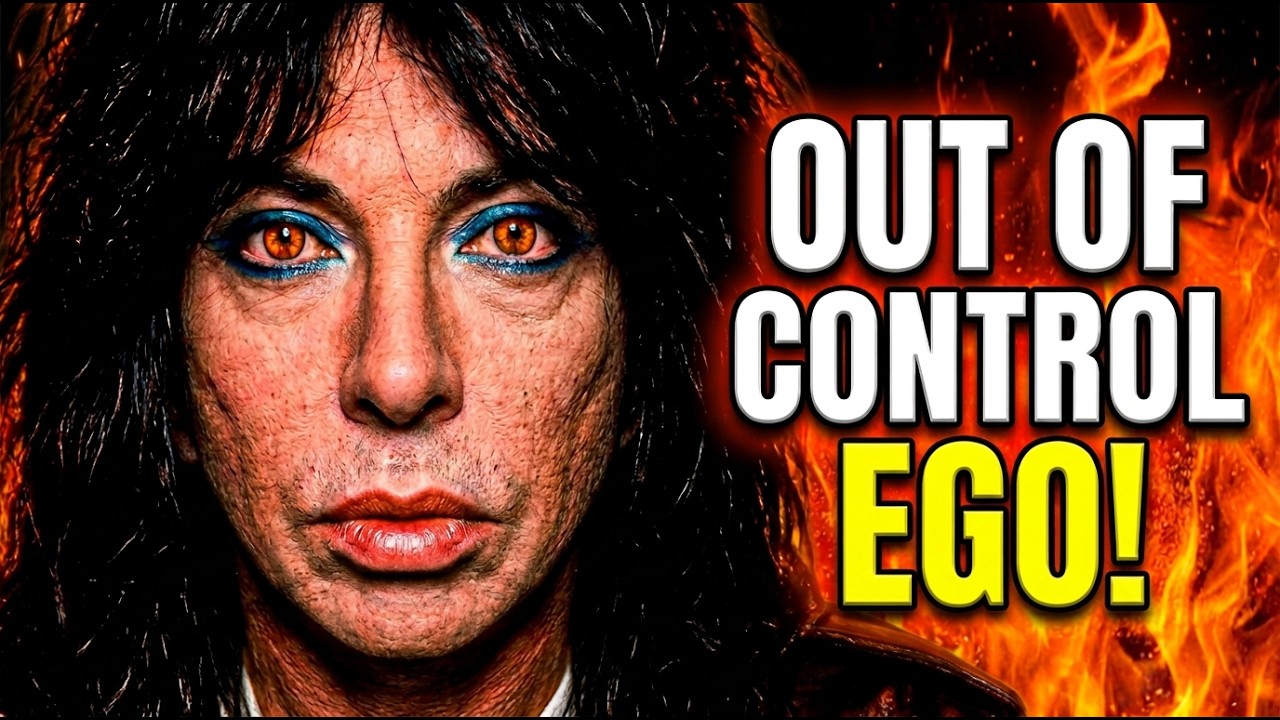
In 1986, at the peak of 80s glam metal, the Vinnie Vincent Invasion exploded onto the scene with all the ingredients for superstardom: shredding guitars, MTV-ready image, and a former KISS guitarist leading the charge. But behind the big hair, flashy solos, and major record deal was one of the most chaotic and short-lived bands in rock history. This is the story of how Vinnie Vincent, once hailed as KISS’s secret weapon on Creatures of the Night and Lick It Up, built a band that burned bright—and self-destructed even faster.
After being fired from KISS amid contract disputes and growing tension with Gene Simmons and Paul Stanley, Vincent set out to prove he didn’t need the band that made him famous. Forming the Vinnie Vincent Invasion, he secured a massive deal with Chrysalis Records and assembled a lineup that included Dana Strum, Bobby Rock, and former Journey singer Robert Fleischman. Their 1986 self-titled debut album, featuring tracks like “Boyz Are Gonna Rock” and “Animal,” became a cult favorite and cemented their place in the glam metal boom.
But while the music delivered, the internal dynamics were already falling apart. Known for his perfectionism and massive ego, Vincent pushed bandmates to the brink in the studio, reportedly forcing multiple re-recordings and clashing over creative control. Fleischman exited before the band could even film their first music video, replaced by Mark Slaughter—who initially had to lip-sync someone else’s vocals just to keep the band moving.
By the time the band released their second album, All Systems Go (1988), featuring “Love Kills” from A Nightmare on Elm Street 4, the cracks had turned into fractures. Despite touring with major acts like Alice Cooper and Iron Maiden, tensions reached a breaking point. Vincent treated the band like a solo project, controlling contracts, image, and direction, leaving other members feeling like hired hands rather than equals.
The collapse came after a backstage confrontation in Anaheim, leading to one of the most infamous mutinies in rock history. Mark Slaughter and Dana Strum walked out—and didn’t just leave the band, they effectively took the record deal with them. Forming the band Slaughter, they went on to massive success with Stick It to Ya and hits like “Fly to the Angels,” even touring with KISS in a twist of rock irony.
Meanwhile, Vinnie Vincent’s career spiraled into legal battles, missed opportunities, and long periods of reclusion. Despite undeniable guitar talent and a key role in shaping KISS’s 80s comeback, he became known as one of rock’s most self-sabotaging figures.
The Vinnie Vincent Invasion remains one of the biggest “what if” stories in rock history—a band with two cult classic albums, huge potential, and a total meltdown driven by ego, control, and internal chaos.
If you’re into 80s glam metal, KISS history, band breakups, and behind-the-scenes rock drama, this is a story you won’t want to miss.
Have a video request or a topic you'd like to see us cover? Comment below or send in your idea: https://bit.ly/3stnXlN
CONNECT ON SOCIAL
TIKOK:https://www.tiktok.com/@rocknrolltruestory
Instagram: https://www.instagram.com/rnrtruestories/
Facebook: https://www.facebook.com/RNRTrueStories
Twitter: https://twitter.com/rocktruestories
Blog: www.rockandrolltruestories.com
#vinnievinceninvasion #vinnievincent #kiss #slaughter
These videos are for entertainment purposes only. DISCLAIMER https://rockandrolltruestories.....com/youtube-disclai
Stop leaving yourself vulnerable to data breaches. Go to my sponsor https://aura.com/musicvibe to get a 14-day free trial and see if any of your data has been exposed
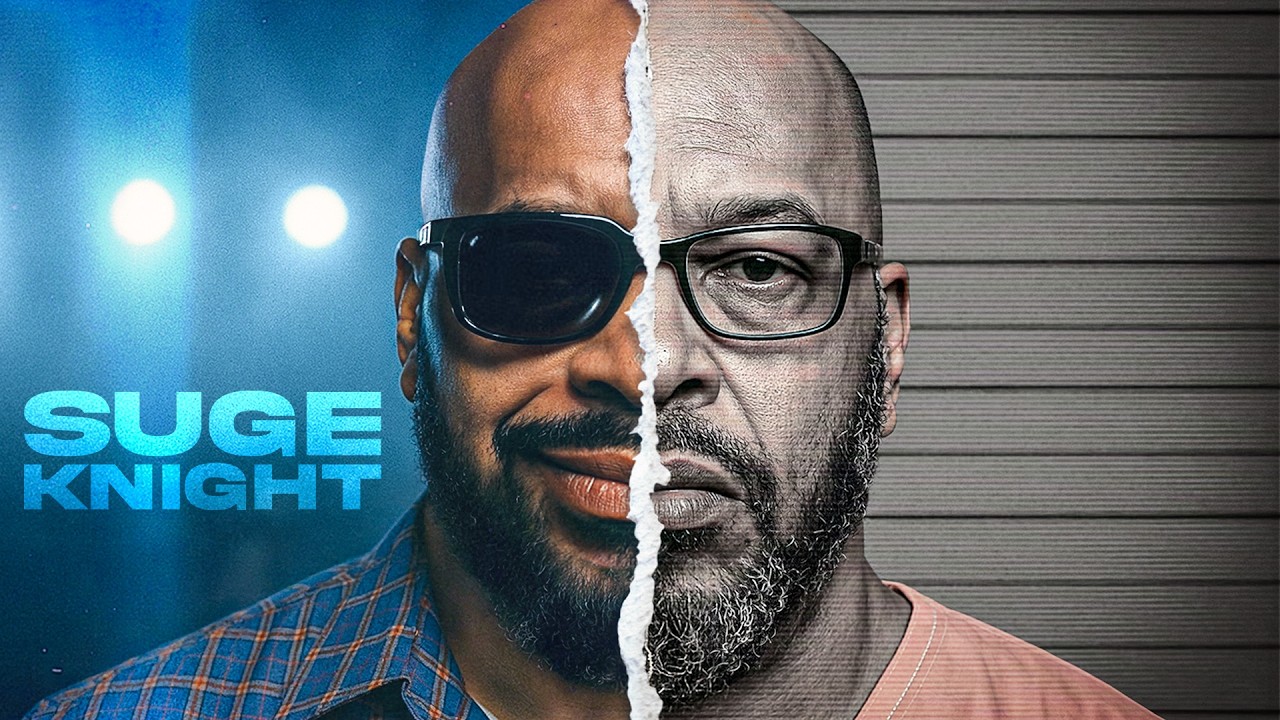
Suge Knight is one of the most controversial figures in hip-hop history. As the founder of Death Row Records, he played a key role in the careers of legends like Dr. Dre, Snoop Dogg, and Tupac Shakur. However, behind his success were ruthless business tactics, criminal ties, and endless scandals. In this video, we break down the most shocking moments of Suge Knight’s life: how he strong-armed the rights to Ice Ice Baby, why Dre left Death Row, the secrets behind Tupac and Biggie’s deaths, and how Suge ultimately ended up serving 28 years in prison.
00:00 - How People Reacted to Suge Knight
02:22 - Suge Knight’s Childhood
05:42 - First Arrest
06:27 - How Suge Took the Song “Ice Ice Baby”
08:16 - How Dre Left N.W.A for Death Row
09:47 - The Crazy Story of How Suge Bribed a Judge
11:07 - How Suge Forced Eazy-E to Release Dre from His Contract
13:05 - Was Suge Jealous of Diddy?
13:49 - How Suge Saved Snoop Dogg and Nate Dogg from Prison
15:56 - Suge Knight at the 1995 Source Awards
18:19 - A New Era of the Label with Tupac
18:53 - Did Suge Have a Bad Influence on Tupac?
21:16 - Why Did Dr. Dre Leave Death Row?
23:53 - How Suge Beat Up a Producer Who Went Missing for Three Days
24:26 - Diddy - Suge’s Most Hated Man
25:49 - Tupac’s Death
28:08 - Did Suge Want Revenge for Pac’s Death?
28:46 - Suge’s Deal with Orlando Anderson
29:50 - Did Suge Kill Biggie?
32:23 - The End of Death Row Records
34:19 - How Suge Tried to Ruin Dre’s Life
37:46 - But Suge Was Also Beaten and Shot…
42:35 - Suge Also Beat Women
44:28 - How Suge Was Sentenced to 28 Years in Prison
Cooperation:
Email: mvytchannel2022@gmail.com
suge knight, suge knight source awards, suge knight diss diddy, suge knight diss, suge knight 2pac, tupac suge knight, suge knight snoop dogg, suge knight dr.dre, suge knight eazy-e, nwa, rap, music, hip hop
Patreon Exclusive Content: https://www.patreon.com/celebrityunderrated
Celebrity Underrated chronicles the lives and deaths of entertainers, sports figures, world leaders, and others both famous and infamous. The channel highlights their background and upbringing, their rise to fame, their trials and tribulations, and the often mysterious circumstances surrounding the death of the deceased.
Donate to Cash App: https://cash.me/$celebrityunderrated
Exclusive Content: https://www.patreon.com/celebrityunderrated
Clothing Store: https://teespring.com/stores/celebrity-underrated
Business Inquiries: celebrityunderratedtv@gmail.com
https://twitter.com/celebrityunderrated
https://www.instagram.com/celebrityunderrated/
![Sample Breakdown - The Main Ingredient [1994] | Pete Rock & CL Smooth](https://i.ytimg.com/vi/IJDfpJEy6Wc/maxresdefault.jpg)

Patreon Exclusive Content: https://www.patreon.com/celebrityunderrated
Celebrity Underrated chronicles the lives and deaths of entertainers, sports figures, world leaders, and others both famous and infamous. The channel highlights their background and upbringing, their rise to fame, their trials and tribulations, and the often mysterious circumstances surrounding the death of the deceased.
Donate to Cash App: https://cash.me/$celebrityunderrated
Exclusive Content: https://www.patreon.com/celebrityunderrated
Clothing Store: https://teespring.com/stores/celebrity-underrated
Business Inquiries: celebrityunderratedtv@gmail.com
https://twitter.com/celebrityunderrated
https://www.instagram.com/celebrityunderrated/

The story of Scooter Ward's band Cold best known for songs like Stupid Girl
Podcast on Apple Podcasts
https://podcasts.apple.com/ca/....podcast/the-rock-n-r
My second YouTube Channel
https://www.youtube.com/@RockNRollTrueStories2
Cold’s story is one of brutal bad luck, label disasters, and personal tragedy that nearly destroyed them.
The band began as Grundig in Jacksonville, Florida in the late 80s, with Scooter Ward, Sam McCandless, and Jeremy Marshall forming a moody, heavy “redneck goth” outfit inspired by everyone from Depeche Mode and Sade to Nirvana and Alice in Chains. They hustled hard, working day jobs, playing up to 100 shows a year, and sinking money into an 8-song demo that still left them thousands of dollars in debt. A move to Atlanta was supposed to bring them closer to the industry, but instead they found cliquish scenes, tiny hostile crowds, and mounting frustration, all while Ward battled Crohn’s disease and ended up hospitalized.
Their luck seemed to change when old friend Fred Durst, now fronting Limp Bizkit, reconnected with them. Durst produced a demo that impressed famed producer Ross Robinson and led to a six-album deal through Flip and A&M. Just as things were taking off, the German electronics company Grundig threatened to sue over their name, forcing a rebrand to Cold. Their 1998 self‑titled debut drew praise from Kerrang! and Guitar World, but radio support was spotty. Then disaster struck: A&M was dissolved in a major label merger, staff were cut, and Cold’s first album was essentially left for dead before being quietly shuffled over to Interscope/Geffen.
Cold regrouped with a stronger lineup, adding guitarist Terry Balsamo and crafting a darker, more melodic sound. Their 2000 album “13 Ways to Bleed on Stage” was a slow‑burn success, earning a gold certification on the back of relentless touring and singles like “No One” and “Just Got Wicked.” They followed it with 2003’s “Year of the Spider,” written amid personal tragedies: Ward’s sister’s ovarian cancer, a breakup, deaths in the band’s circle, and his struggles with substance abuse. The album debuted at number 3 on the Billboard 200, went gold, and produced their biggest hit, “Stupid Girl,” a song they hadn’t even wanted as a single.
At the peak of their success, everything unraveled. Cold clashed with Geffen over single choices and felt the label had stopped supporting them after recouping its investment. Guitarist Terry Balsamo left to join Evanescence, and Amy Lee’s public comments about Ward’s personal issues exposed his private struggles. Kelly Hayes soon exited as well. Ward’s sister’s cancer returned, his addiction worsened, and he spiraled to the point of not wanting to live. He found faith, bought his childhood home, and poured his pain into Cold’s fourth album, “A Different Kind of Pain,” a dark but hopeful record released through Lava in 2005. Yet label turnover and weak promotion echoed their earlier A&M nightmare, and the album underperformed.
By 2006, worn down by lineup changes and industry battles, Ward announced Cold’s breakup on MySpace, thanking fans but clearly exhausted. A few years later, fan demand and the enduring bond of the “Cold Army” pulled them back. The classic core regrouped, new guitarists came in, and Cold returned with albums like 2011’s “Superfiction” and 2019’s “The Things We Can’t Stop.” Their legacy became less about charts and more about survival: a band that kept getting knocked down by illness, addiction.
Have a video request or a topic you'd like to see us cover? Comment below or send in your idea: https://bit.ly/3stnXlN
CONNECT ON SOCIAL
TIKOK:https://www.tiktok.com/@rocknrolltruestory
Instagram: https://www.instagram.com/rnrtruestories/
Facebook: https://www.facebook.com/RNRTrueStories
Twitter: https://twitter.com/rocktruestories
Blog: www.rockandrolltruestories.com
**[[[HASHTAGS]]]**
These videos are for entertainment purposes only. DISCLAIMER https://rockandrolltruestories.....com/youtube-disclai

The story of why Anthrax fired Joey Belladonna in 1992.
Anthrax-Public Enemy Bring the Noize collaboration
https://www.youtube.com/watch?v=lnnmeRTn8M0&t=30s&pp=ygUgcm9jayBuIHJvbGwgdHJ1ZSBzdG9yaWVzIGFudGhyYXjSBwkJBAsBhyohjO8%3D
Podcast on Apple Podcasts
https://podcasts.apple.com/ca/....podcast/the-rock-n-r
My second YouTube Channel
https://www.youtube.com/@RockNRollTrueStories2
What happens when you’re the voice of one of the biggest metal bands in the world, and then one day, it’s all gone? For Joey Belladonna, frontman of Anthrax, that was reality. He went from commanding tens of thousands of fans to mowing lawns at a horse barn, in one of the strangest rise-and-fall stories in metal.
By 1991, Anthrax were one of the “Big Four” of thrash alongside Metallica, Slayer, and Megadeth. Their dark, acclaimed album Persistence of Time hit number 24 on the Billboard charts, and they were co-headlining the massive Clash of the Titans tour. Fronting them was Joey Belladonna, whose melodic tenor stood out in a genre of guttural barkers. After he joined in 1984, their trajectory went vertical with Among the Living, followed by State of Euphoria and the Grammy-nominated Persistence of Time. From the outside, Anthrax looked bulletproof. Inside, things were cracking.
Their usual writing method had Charlie Benante on music, Scott Ian and Frank Bello shaping arrangements, Scott on lyrics, and Joey working out vocals. This time, it wasn’t clicking. The Persistence sessions felt strained. Scott’s lyrics were deeply personal, and he felt Joey’s interpretations didn’t match his intent. On top of that, the band had already confronted Joey about drugs and alcohol back in 1988 and quietly floated Armored Saint’s John Bush as a possible replacement.
During the “Bring the Noise” collaboration with Public Enemy, Scott saw Joey looking out of place while the rest of the band dove into rap-metal territory. It raised a hard question: where did Joey fit in the future of Anthrax? Meanwhile, money and tour offers were rolling in, but Scott felt the core of the band was “rotten.” Firing Joey became, in his words, a slow burn rather than a single explosion.
Complicating everything, Anthrax were in the middle of signing a huge deal with Elektra Records reportedly worth $10 million. They’d already decided to let Joey go, but feared telling the label. When they finally did, Elektra backed them, and Joey still received an equal share of the advance as recognition of his role in getting them there.
The actual firing was handled by their manager Jonny Z, something Scott later regretted not doing himself. Joey was blindsided. “I didn’t quit!” he said later. “It was unexpected and it wasn’t my idea.” The band moved on with John Bush, scoring their highest Billboard debut with 1993’s Sound of White Noise.
Joey’s path was very different. Instead of spiraling, he took a maintenance job at a horse barn with his wife. His main duty: mowing the massive grounds. He later said he didn’t need the money, but wanted purpose and structure. At the same time, he kept playing in his solo project and cover band Chief Big Way, staying musically active without bitterness.
Years later, the classic lineup reunited for tours and eventually brought Joey back permanently. Anthrax’s 2011 album Worship Music and 2016’s For All Kings proved the chemistry was still there. Yet for Joey, the past never fully disappeared. He’s admitted it’s hard being around people who once decided he shouldn’t be there at all. Still, he’s back where he always wanted to be—front and center with Anthrax, after one of the strangest detours in thrash metal history.
Have a video request or a topic you'd like to see us cover? Comment below or send in your idea: https://bit.ly/3stnXlN
CONNECT ON SOCIAL
TIKOK:https://www.tiktok.com/@rocknrolltruestory
Instagram: https://www.instagram.com/rnrtruestories/
Facebook: https://www.facebook.com/RNRTrueStories
Twitter: https://twitter.com/rocktruestories
Blog: www.rockandrolltruestories.com
**[[[HASHTAGS]]]**
These videos are for entertainment purposes only. DISCLAIMER https://rockandrolltruestories.....com/youtube-disclai
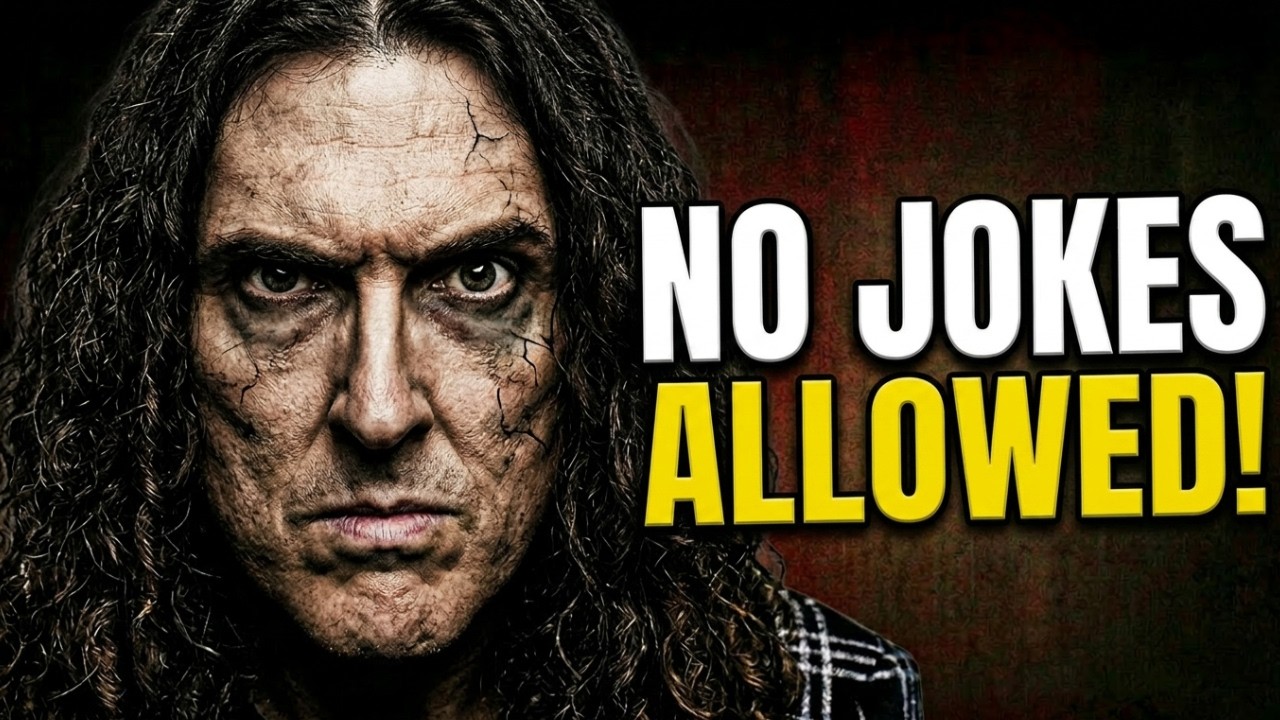
The story of the musicians who turned down Weird Al's request to parody their songs.
Podcast on Apple Podcasts
https://podcasts.apple.com/ca/....podcast/the-rock-n-r
My second YouTube Channel
https://www.youtube.com/@RockNRollTrueStories2
For every hit parody like "Eat It" or "Amish Paradise," there’s a story of a music legend giving Weird Al the green light. Getting that call from Al has become a badge of honor, a sign that your song has become part of pop culture, ready to be reimagined with lyrics about food, TV, or total nonsense. For decades, artists have lined up to let Al work his magic.
But what about the songs we never got to hear? The parodies personally shut down by some of the biggest artists on the planet? For a man who built a career as pop’s court jester, there are surprising moments when the kings and queens of the charts weren’t laughing. These are the stories of the parodies Weird Al was forbidden to make.
To understand why a "no" matters, you have to understand Al’s most important self‑imposed rule: he almost always asks for permission. Legally, parody often falls under “fair use,” but record labels and publishers love to ignore that, especially on YouTube. Early on, Al didn’t always ask, but his longevity is built on more than clever rhymes; it’s built on respect. He wants to be morally and relationally in the clear, not just legally safe.
That approach has saved him from feuds and lawsuits and cemented his reputation as one of the nicest guys in music. Most artists, from Nirvana to Chamillionaire, saw being asked as an honor. But that courtesy also gives artists the power to say "no." And when they do, Al walks away. The undisputed king of these rejections was Prince.
Al pitched ideas for “1999,” “When Doves Cry,” and “Kiss.” Every time, Prince’s camp answered with a decisive no. Al never got a real explanation. Ironically, Prince apparently laughed at “Fat,” Al’s parody of Michael Jackson’s “Bad,” but he still didn’t want his own songs touched. He was notoriously protective, even about other artists covering his work, once saying that covering a song makes the original “not exist anymore.”
Some rejections were more personal than mysterious. Paul McCartney shut down “Chicken Pot Pie,” a parody of “Live and Let Die,” because he didn’t want to promote meat. The joke was perfect, but McCartney, a committed vegetarian, offered “Tofu Pot Pie” instead. Al, also a vegetarian, passed because it just didn’t sing right.
Even close collaborators sometimes drew lines. Michael Jackson approved “Eat It” and “Fat,” even letting Al use the “Bad” subway set. But he refused a “Black or White” parody called “Snack All Night,” feeling the original’s message about racial harmony was too important to turn into a joke. Al understood completely.
Then there’s “Amish Paradise.” Al believed Coolio’s camp had approved the “Gangsta’s Paradise” parody, only to face public outrage when Coolio claimed he never signed off. Al was mortified and later apologized, while Coolio eventually admitted he’d overreacted.
Not every "no" was absolute. Eminem allowed “Couch Potato,” a “Lose Yourself” parody, on Al’s album but blocked a video, worried about his song’s legacy. Daniel Powter initially denied a “Bad Day” parody, then changed his mind too late—by then, Al had moved on to “White & Nerdy.” And James Blunt loved “You’re Pitiful,” but his label killed the release, so Al posted it online for free.
In the end, these rejections don’t weaken Weird Al’s legacy; they enrich it. They show an artist who values respect as much as laughs—and sometimes, the parodies we never got say as much as the ones we did.
Have a video request or a topic you'd like to see us cover? Comment below or send in your idea: https://bit.ly/3stnXlN
CONNECT ON SOCIAL
TIKOK:https://www.tiktok.com/@rocknrolltruestory
Instagram: https://www.instagram.com/rnrtruestories/
Facebook: https://www.facebook.com/RNRTrueStories
Twitter: https://twitter.com/rocktruestories
Blog: www.rockandrolltruestories.com
#weirdal #prince
These videos are for entertainment purposes only. DISCLAIMER https://rockandrolltruestories.....com/youtube-disclai
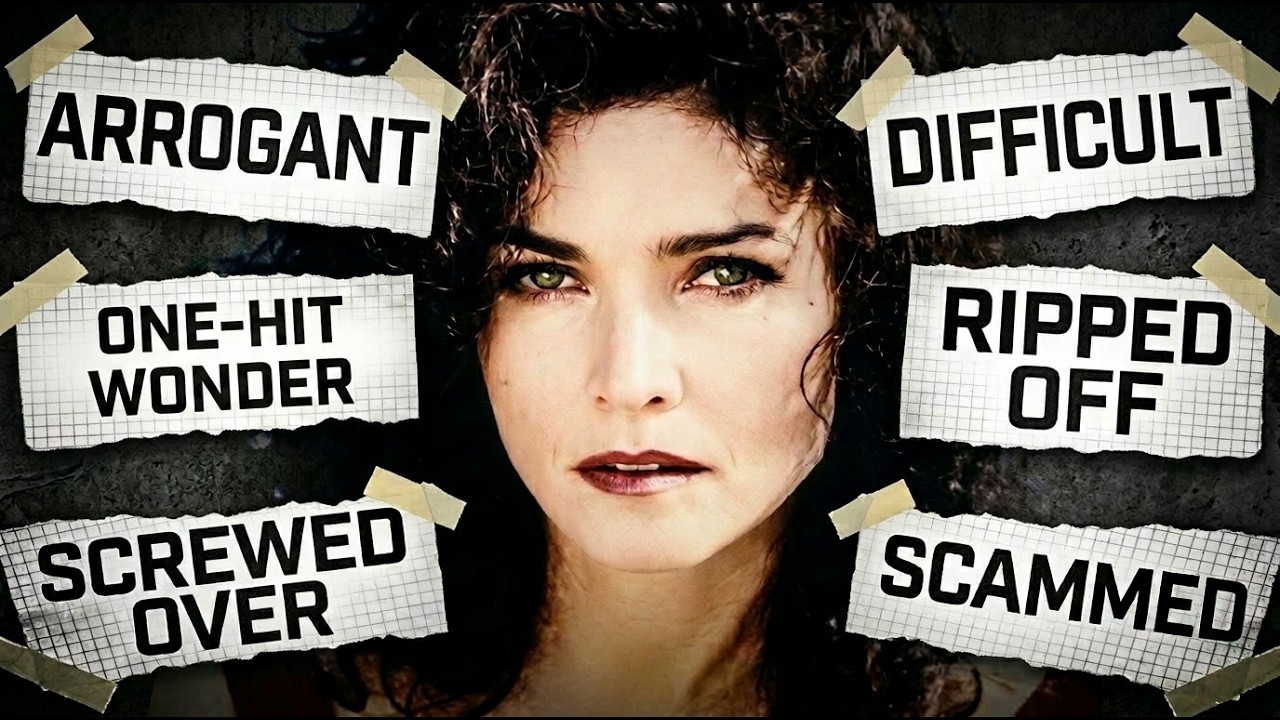
The story of Alannah Myles, best known for the song Black Velvet
Podcast on Apple Podcasts
https://podcasts.apple.com/ca/....podcast/the-rock-n-r
My second YouTube Channel
https://www.youtube.com/@RockNRollTrueStories2
Title: The Tragic Story of The One-Hit Wonder Who Wasn't
Some songs are like time machines. In 1990, one of them was “Black Velvet,” a smoky, blues‑rock track that turned Canadian singer Alannah Myles into a global star. The song hit number one on the Billboard Hot 100, won a Grammy for Best Female Rock Vocal Performance, and helped her debut album sell millions worldwide. By all accounts, she should have been set for life.
Instead, the industry that finally embraced her nearly destroyed her. Behind the scenes, Myles had signed a brutal contract loaded with “recoupable” expenses for recording, videos, touring, and marketing — debts she had to pay back before seeing real royalties. She later estimated the label earned well over a hundred million dollars from her records, while she struggled to pay rent and took side jobs just to get by. She has said she didn’t receive a meaningful royalty check for “Black Velvet” until 2008, almost two decades after the song topped the charts.
Her path to that hit had been long and stubbornly independent. Born Alannah Byles in Toronto, she grew up comfortable but determined to make it on her own. She wrote songs as a teenager, played grimy Southern Ontario clubs, and rebranded herself as Alannah Myles while doing modeling, makeup work, and small acting roles to fund her music. Partnering with songwriter Christopher Ward and producer David Tyson, she chased a blues‑rock identity that Canadian labels repeatedly rejected. A three‑song demo to Atlantic in New York finally landed her a six‑album deal in 1987.
Her 1989 debut album was huge at home, producing multiple Top 40 hits and becoming the best‑selling debut album in Canadian history. “Black Velvet” – written by Ward and Tyson as an Elvis Presley tribute after Ward rode a fan bus to Memphis – was the track that broke her internationally. Released in the U.S. after “Love Is,” it climbed slowly before exploding to number one and going top ten in over a dozen countries. At the same time, her label angered her by commissioning a competing country version by Robin Lee, which muddied her ownership of the song in the public eye.
The pressure for a repeat was immediate. Her 1992 follow‑up, Rockinghorse, underperformed in the U.S. but went multi‑platinum in Canada, giving her another number‑one single and a second Grammy nomination. Still, label politics, media stories painting her as “difficult,” and the strain of constant touring took a toll. She cancelled tours for health reasons, cycled through managers, and watched as her momentum faded internationally.
Myles eventually left Atlantic in the late ’90s and signed with Miles Copeland’s Ark 21, gaining more creative control but far less commercial visibility. For years she survived through smaller‑scale releases, overseas deals, television work, and live shows, even as “Black Velvet” kept spinning on radio without truly enriching her. A libel suit against a major Canadian newspaper over claims of cocaine addiction was settled in 2001, reportedly with a substantial payout — ironically one of the biggest financial wins of her career.
When her contract finally allowed it, she re‑recorded “Black Velvet” for her independent album Black Velvet and later retooled it again on 85 bpm, finally owning versions of the song that paid her directly. Chronic health problems, including serious spinal damage and autoimmune issues, have since limited her ability to tour, but she continues to write and record on her own terms.
Calling Alannah Myles a “one‑hit wonder” misses the point. She had multiple Canadian hits, a second Grammy‑nominated album, and a career that’s lasted decades. “Black Velvet” was a phenomenon so huge it obscured the rest of her work — and a song that nearly ruined her even as it made her immortal. In 2021, it was inducted into the Canadian Songwriters Hall of Fame, cementing its place in rock history and her legacy as far more than a trivia‑question one‑off.
Have a video request or a topic you'd like to see us cover? Comment below or send in your idea: https://bit.ly/3stnXlN
CONNECT ON SOCIAL
TIKOK:https://www.tiktok.com/@rocknrolltruestory
Instagram: https://www.instagram.com/rnrtruestories/
Facebook: https://www.facebook.com/RNRTrueStories
Twitter: https://twitter.com/rocktruestories
Blog: www.rockandrolltruestories.com
**[[[HASHTAGS]]]**
These videos are for entertainment purposes only. DISCLAIMER https://rockandrolltruestories.....com/youtube-disclai
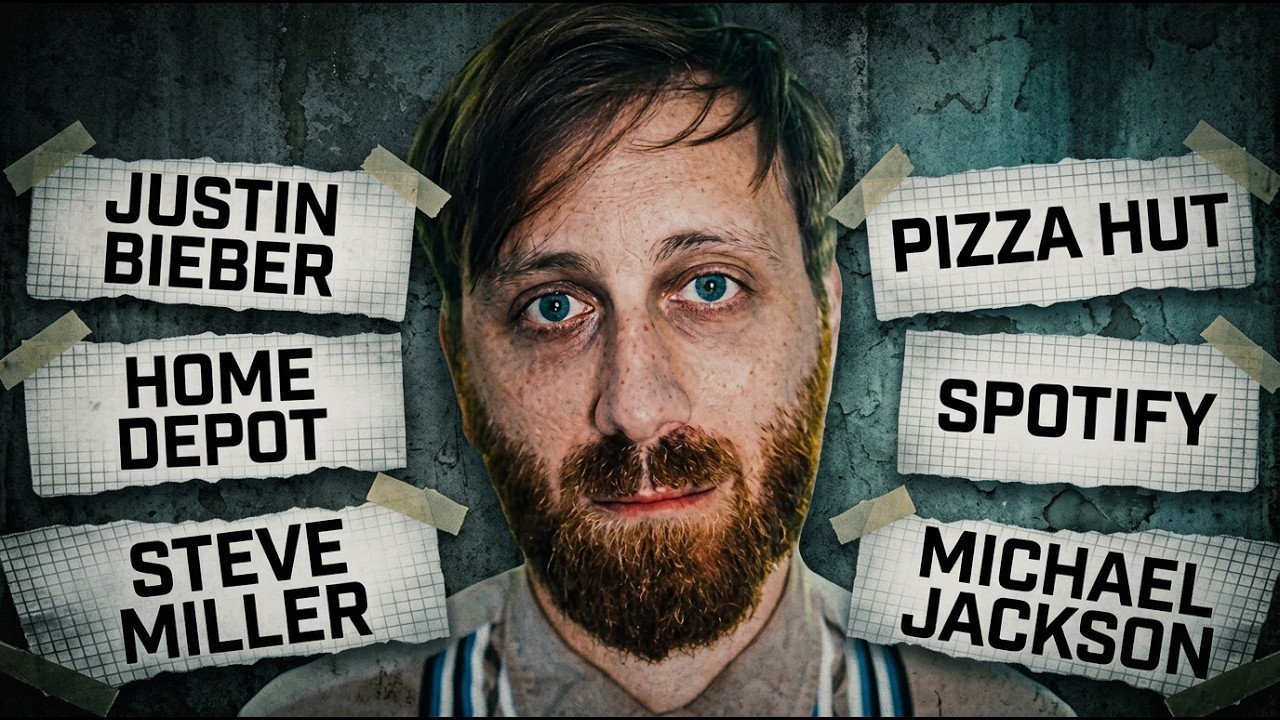
The story of The Black Keys feuds
Podcast on Apple Podcasts
https://podcasts.apple.com/ca/....podcast/the-rock-n-r
My second YouTube Channel
https://www.youtube.com/@RockNRollTrueStories2
From the garage rock revival of the early 2000s to arena-filling, Grammy-winning success, The Black Keys have carved out a unique place in modern music. Created in a basement in Akron, Ohio, Dan Auerbach and Patrick Carney built a career on a raw, blues-infused sound that felt both timeless and immediate. They are one of the last big rock success stories of their era.
But their journey is more than a tale of musical triumph. It is also filled with feuds, insults, and burned bridges. From a long-running rivalry with Jack White to public spats with pop stars, classic rock legends, brands, and even streaming services, The Black Keys have a knack for conflict. Are they misunderstood blunt Midwesterners in a fake-smile industry, or rock’s most confrontational band with a chip on their shoulder the size of Ohio?
The story begins in Akron in 2001. Auerbach had a gig but his band did not show, so he asked neighbor Patrick Carney, who was supposed to be recording, to play drums. They recorded a demo in a few hours and realized they had something special. They called themselves The Black Keys, inspired by a local outsider artist who used the phrase “black keys” for people who were not quite right. Their early albums, like The Big Come Up and Thickfreakness, were raw, lo-fi, and critically adored.
From the start, comparisons to The White Stripes followed them. Both were Midwestern guitar-and-drum blues-rock duos, and the press loved the narrative. Jack White drew lines in interviews, and rumors swirled when The Black Keys moved to Nashville. Things exploded when leaked emails from White’s divorce revealed harsh words about Auerbach and accusations of copying. Patrick Carney called the situation embarrassing but sympathized with White’s private comments being exposed. Later, a tense encounter in a New York bar led Carney to claim White tried to start a fight, before both sides publicly made peace.
Carney’s outspoken nature fueled other feuds. When asked about Justin Bieber not getting Grammy nominations, he replied that Grammys are for music, not money, and that Bieber was already very successful. Bieber fired back on social media, and his fans flooded Carney with insults. In later interviews, Carney did not soften his stance, further cementing his reputation as someone who speaks his mind regardless of the fallout.
The band also criticized posthumous Michael Jackson releases as a label-driven move, joked about ICP’s fanbase, and stayed off streaming services for years to protest low payouts. Eventually, they joined streaming platforms but remained critical of the model. More recently, a poorly handled arena tour, disputes with management, and a controversial “America Loves Crypto” performance led them to speak out against what they see as a consolidated, billionaire-driven industry.
So why do The Black Keys seem to fight with everyone? Part of the answer is Patrick Carney’s unfiltered candor. Part of it is the long shadow of the Jack White feud, which pushed them into a defensive posture early on. And part of it is their growing frustration with a music business they view as exploitative. Through it all, they have clung to a stubborn sense of authenticity, even when it costs them allies.
Have a video request or a topic you'd like to see us cover? Comment below or send in your idea: https://bit.ly/3stnXlN
CONNECT ON SOCIAL
TIKOK:https://www.tiktok.com/@rocknrolltruestory
Instagram: https://www.instagram.com/rnrtruestories/
Facebook: https://www.facebook.com/RNRTrueStories
Twitter: https://twitter.com/rocktruestories
Blog: www.rockandrolltruestories.com
#theblackkeys #danauerbach #patrickcarney
These videos are for entertainment purposes only. DISCLAIMER https://rockandrolltruestories.....com/youtube-disclai
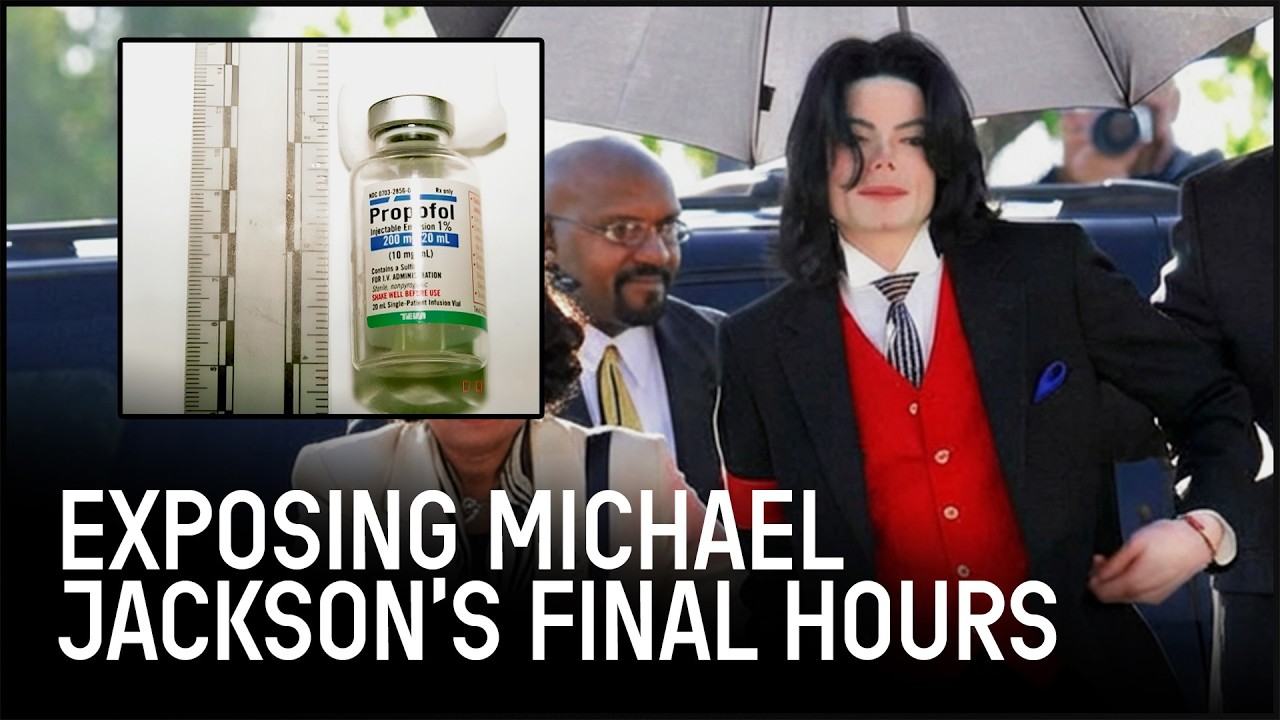
On June 25, 2009, the world stopped when news broke that the King of Pop had passed away. While the public saw a global tragedy, the LAPD entered a bedroom that looked more like a makeshift, high-stakes medical ward. This story follows the lead investigators as they piece together the final hours of a legend, moving past the media circus to find the truth hidden under a nightstand.
Make sure you subscribe to get your regular crime fix: youtube.com/c/RealCrime
Real Crime On Spotify: https://open.spotify.com/show/....0JLjqhHBRN8qMTGKikm9
Any queries, please contact us at:
owned-enquiries@littledotstudios.com
#truecrime #realcrime #crime

Official website: https://to.pbs.org/IL_2024 | #IndieLensPBS
“WE WANT THE FUNK!,” a syncopated voyage through the history of funk music, spans from gospel, soul, highlife, and early jazz roots, to its rise and impact on new wave and hip-hop, as funk music has been transcendent for creators and listeners alike. Revolutionary moments in the movement are captured in James Brown's dynamism, the extraterrestrial funk of George Clinton's Parliament Funkadelic, transformed girl group Labelle, Fela Kuti's Afrobeat, and other influential musicians of the genre.
WE WANT THE FUNK! | Independent Lens
This program is made possible by viewers like you. Support your local PBS station: https://www.pbs.org/donate
Enjoy full episodes of your favorite PBS shows anytime, anywhere with the free PBS app: https://to.pbs.org/2QbtzhR
FOLLOW PBS:
Facebook: https://www.facebook.com/PBS/
X: https://twitter.com/PBS/
Instagram: https://www.instagram.com/PBS/
TikTok: https://www.tiktok.com/@pbs
Threads: https://www.threads.net/@pbs
FOLLOW INDEPENDENT LENS:
Independent Lens: https://www.pbs.org/independentlens/
Facebook: https://www.facebook.com/independentlens
Threads: https://www.threads.net/@independentlens
X: https://twitter.com/IndependentLens
Instagram: https://www.instagram.com/independenlens
YouTube: https://www.youtube.com/channe....l/UCnDUknWztWaLs7mot
#fulldocumentary #funkmusic #musichistory #musicgenre
Chapters
00:00 Intro
00:21 “It’s Got To Be FUNKY”
04:08 American Bandstand & Motown
07:37 Respectability Politics & Assimilation
12:45 James Brown and “The Groove”
16:14 “I’m Black and I’m Proud”
19:00 The Rhythm of Funk & “The One”
24:30 Funky Moves & Funky Grooves
28:34 Hippie Funk: Sly & The Family Stone
30:02 Funk vs. Motown
34:25 Parliament Funkadelic - “Flashlight”
40:30 The Black Anthem
41:50 Gospel, Funk, and Kirk Franklin
45:59 Funk is Sacred & Secular
49:06 The Great Space Race: Funk & Afrofuturism
52:10 Women in Funk: Soul Sista
54:45 The Great Migration
1:00:04 Funk in Africa: Fela Kuti & Afrobeat
1:08:45 Elton John & David Bowie & The Talking Heads
1:16:50 The Funk Lives On: Hip-Hop Samples
1:20:51 Credits
ABOUT INDEPENDENT LENS
@independentlens is an Emmy® Award-winning PBS documentary series. With founding executive producer Lois Vossen, the series has been honored with 10 Academy Award nominations and features documentaries united by the creative freedom, artistic achievement, and unflinching visions of independent filmmakers. Presented by ITVS, INDEPENDENT LENS is funded by the Corporation for Public Broadcasting, Acton Family Giving, John D. and Catherine T. MacArthur Foundation, Ford Foundation, Park Foundation, Wyncote Foundation, and National Endowment for the Arts.

Scan the QR code or head to hensonshaving.com/mentourpilot and use code mentourpilot to get 100 free blades when you purchase a razor. Make sure to add both the razor and the blades to your cart for the code to take effect.
-----------------------------------------------------
Late in the afternoon on August 25th, 2001, on board a small Cessna were a single pilot, eight passengers, and their luggage among them was singer and actress Aaliyah, whose career had been rising rapidly through the late 1990s and early 2000s.
What followed was an accident that would change the face of both music and aviation for years to come.
-----------------------------------------------------
If you want to support the work I do on the channel, join my Patreon crew and get awesome perks and help me move the channel forward!
👉🏻 https://www.patreon.com/mentourpilot
737 Course:
👉🏻 Visit https://www.virtual737course.com to learn how to fly a 737 like Petter in our virtual 737 SIM course Make sure to use code "mentournow" for 20% off! ✈️
Our Connections:
👉🏻 Exclusive Mentour Merch: https://mentourpilot-shop.fourthwall.com/
👉🏻 Our other channel: youtube.com/@MentourNow
👉🏻 Our Podcast: https://www.youtube.com/@MentourPodcast
👉🏻 Amazon: https://www.amazon.com/shop/mentourpilot
👉🏻 BOSE Aviation: https://boseaviation-emea.aero/headsets
Social:
👉🏻 Facebook: https://www.facebook.com/MentourPilot
👉🏻 Instagram: https://www.instagram.com/mentour_pilot
👉🏻 Twitter: https://twitter.com/MenTourPilot
👉🏻 Discord server: https://discord.gg/JntGWdn
Below you will find the links to videos and sources used in this episode.
SOURCES
-----------------------------------------------------
https://www.npr.org/2021/09/10..../1035131619/911-trav
https://www.scribd.com/documen....t/54858224/Aaliyah-C
https://aviation-safety.net/wikibase/58982
https://flighttest.net/POH_Fil....es/POH_C402B_1973.pd
#Mentourpilot #pilot #aircraft

If you’re ever injured in an accident, you can check out Morgan & Morgan. You can start your claim in just a click without having to leave your couch. To start your claim, visit: https://www.forthepeople.com/MusicVibe
In this video, we’ll talk about the legendary band Red Hot Chili Peppers. This band has been around for 44 years and has gone through a lot of things that not many people know about. Some people think they started in the late 90s, when they released the album Californication, but in reality they began making music back in the 80s. They went through hell to become who they are today.
00:00 – why everyone should know the history of RHCP
02:08 – how they all met
06:57 – a useful recommendation for everyone
08:06 – the birth of Red Hot Chili Peppers
13:50 – Anthony Kiedis’ difficult childhood
16:16 – the unexpected death of Hillel Slovak
17:15 – the arrival of John Frusciante and Chad Smith
20:18 – the band’s scandals
22:18 – the band in the film industry
22:41 – The Rise of RHCP
26:58 – The Fall of Red Hot Chili Peppers
33:51 – The Rise Again
Cooperation:
Email: mvytchannel2022@gmail.com
red hot chili peppers, anthony kiedis, rhcp, californication, under the brige, doucmentary, music, music vibe

SHELVED AT NUMBER ONE: Before the massive queens of Hip-hop took over, there was Nikki D—the undisputed First Lady of Def Jam Records. She brought raw street credibility to the label and gave them a #1 Billboard Hot Rap Single with "Daddy's Little Girl."
But instead of crowning her their Queen, the industry committed a tragic identity murder. Def Jam forced the hardcore MC to soften her image into a pop star, and when the industry shifted, they shelved her completely. This is the dark, untold reality of how a pioneering female genius was mismanaged and erased from hip-hop history.
0:00 The Two Erased Women of Def Jam
0:54 From the Outside to Freestyling for Ice-T
1:49 The Greyhound Bus & Making History at Def Jam
2:40 A Ferocious Pen: Earning the Streets' Respect
3:43 "Daddy's Little Girl" & The Secret Lady of Rage Hook
4:54 The Lost Masterpiece: The 1992 Bomb Squad Album
6:21 Why Lyor Cohen & Russell Simmons Shelved Her
7:17 Working Behind the Scenes & Fighting Erasure
8:01 The Pattern Repeats: The Tragic Fate of Bo$$
11:50 A $15k GoFundMe vs. A Billion-Dollar Label
12:51 Locked in the Vault for 30 Years
14:50 Erased from Def Jam's 40th Anniversary Documentary
▬▬▬▬▬▬▬▬▬▬▬▬ ▬▬▬▬▬▬▬▬▬▬▬
🎁 If you're looking for more stories that touch the soul, I've got plenty more to share with you. Take a look: https://www.youtube.com/playli....st?list=PLihj92ujlDZ
⚠️ DISCLAIMER:
This video is intended for educational and documentary purposes only. All information presented is based on publicly available sources, biographical research, and journalistic interpretations. No disrespect or offense is intended toward any individual or group. Viewers are encouraged to conduct their own research and form personal conclusions.
Since this information was compiled by me personally, there may be inaccuracies. If there is any incorrect information, please let me know in the comments!
💖 Subscribe to Celebrity Documentaries to ensure the stories of the misunderstood and the departed are never forgotten.
🔔 Turn on notifications for more deep dives into the lives of those who lived fast, died young, or were simply undervalued by the world.
#celebrityunderrated #accidentaldemise #documentaries #celebritydocumentaries

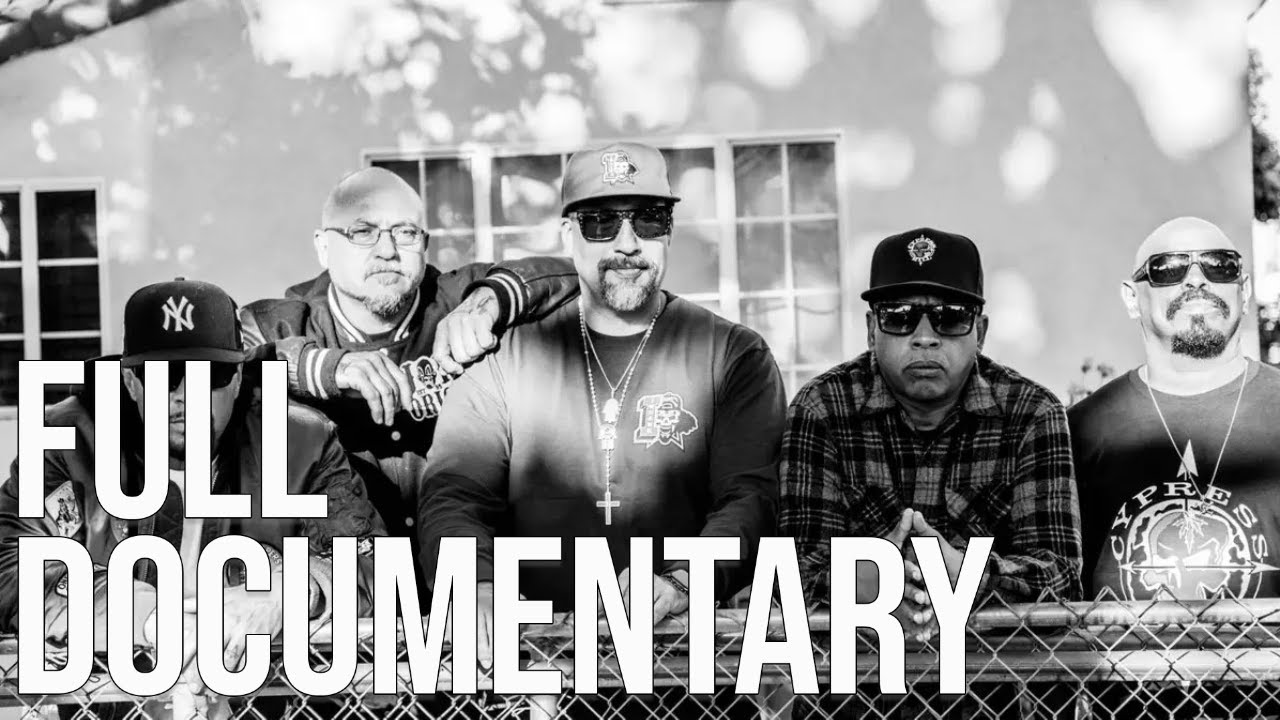
Cypress Hill: Insane In The Brain is a smoke filled journey across the lives and careers of groundbreaking, genre-defying Hip Hop group, Cypress Hill. Their unique sound was built on a movement rooted in true authenticity: from cultivating the flower, to smoking it, to rapping about it, their sound is forever burned into the musical landscape of Hip Hop. It's been 30 years and they are still as relevant as ever. Trailblazers beyond the herb, they legitimized Latino rappers at a time before Hip Hop was in every home across the globe. Told through the eyes/lens of photographer, former tour manager, friend, LA icon and director of the acclaimed LA ORIGINALS, Estevan Oriol, the film is an intimate exploration of the famed yet underappreciated rap and cannabis icons. Using a treasure trove of never before seen archival footage captured by the director himself, as well as his portraiture of the band's four main members, B Real, DJ Muggs, Sen Dog, and Eric Bobo, Estevan tells the story of a brotherhood that has withstood the test of time to create a truly original, one of one, everlasting legacy.
Now Available on Digital: http://AAN.SonyPictures.com/Cy....pressHillInsaneInThe
Subscribe to Front Row Music for more iconic performances!
https://bit.ly/3yfjfws
About Front Row Music:
Built around legendary music acts and exclusive footage you won’t find anywhere else, Front Row Music is your one stop destination for all live music performances. Show stopping guitar solos that bring the house down? We’ve got you covered! High octave harmonies that bring the crowd to their feet? You’ll find it here! We’re passionate about live performances and artistry that unites fans worldwide through timeless and universal music. Your seat is in the Front Row!
#LiveMusic #CypressHill #LatinHipHop #CypressHillDocumentary
Cypress Hill: Insane in the Brain
https://youtu.be/ESDGZZds4eU
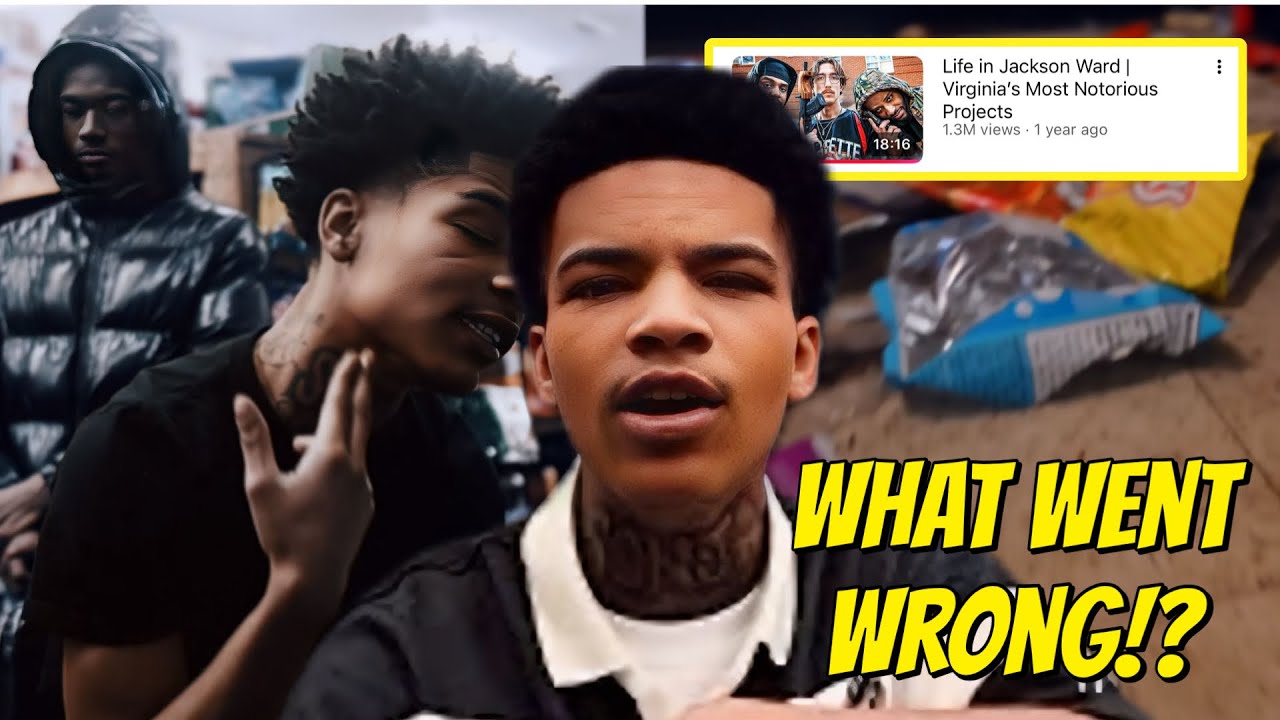
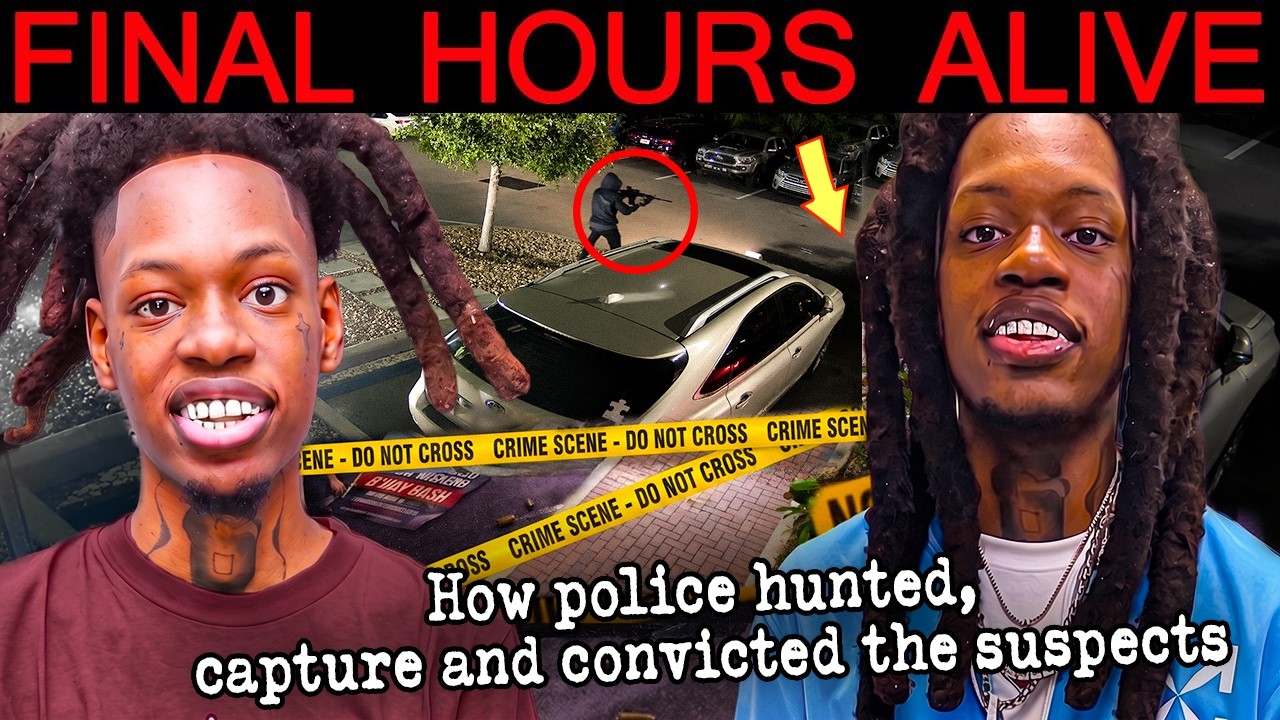
Today’s video covers the tragic situation involving a young Virginia rapper who beat the odds by graduating two years early, only to lose his life in the same neighborhood he came from. In this video, we break down everything that’s been reported so far, the environment surrounding the situation, and the questions that still remain.
Was this just another case of a young life caught in a cycle… or is there more to the story?
We also take a deeper look into the background, the people involved, and what may have led up to this moment—strictly based on public information.
💬 Let me know your thoughts in the comments below. Do you think this could’ve been prevented?
---
📲 Follow & Stay Connected:
Facebook: https://www.facebook.com/profi....le.php?id=6155584195
Second YouTube Channel: https://youtube.com/@Thefamily....LiveTV?si=h-_Muw4g9v
Twitch: https://www.twitch.tv/thefamilytv1?sr=a
Instagram: https://www.instagram.com/thefamilytv1
X (Twitter): https://x.com/TheFamilyTv22?s=09
---
⚠️ Disclaimer:
This content is for informational and entertainment purposes only. All information presented is based on publicly available reports, allegations, and commentary. The Family TV does not claim any information to be factual beyond what has been publicly reported.
This video may contain discussions of sensitive topics. Viewer discretion is advised.
Copyright Disclaimer under Section 107 of the Copyright Act 1976: allowance is made for “fair use” for purposes such as criticism, comment, news reporting, teaching, scholarship, and research.
---
🕊️ *Rest in peace to the young man involved. Prayers to his family.


Michael Jackson and Quincy Jones, the legendary creative partnership behind Thriller, Bad, and Off the Wall — three of the most successful albums in music history. Through rare interviews, archival footage, and Quincy Jones’ own words, we uncover how their collaboration shaped Michael Jackson’s sound, defined the Thriller era, and transformed him into the biggest pop star in the world — and why it ultimately came to an end.
Quincy Jones was more than just a producer. He was Michael Jackson’s mentor, creative partner, and architect of the sound that would dominate the 1980s. But behind the success, creative tensions grew as Michael sought greater control over his music, image, and artistic direction.
This documentary reveals why Michael Jackson walked away from Quincy Jones, the creative differences that emerged during the Bad era, and how their partnership evolved from collaboration into conflict. This is the untold story of one of the most important relationships in music history — and the moment that changed Michael Jackson’s career forever.
▶️ WATCH NEXT
🎥 https://www.youtube.com/watch?v=KyMpbthTHv8&list=PL8coAFlB0W3dA7vkoGJ647II0T8CvxmPT&index=2&t=465s&pp=iAQBsAgC
🎥 https://www.youtube.com/watch?v=KjUGg5-dDac&list=PL8coAFlB0W3dA7vkoGJ647II0T8CvxmPT&index=7&t=3078s&pp=iAQBsAgC
🎥 https://www.youtube.com/watch?v=kQJTi0eik8k&list=PL8coAFlB0W3dA7vkoGJ647II0T8CvxmPT&index=15&t=2746s&pp=iAQBsAQBsAgC
💬 FOLLOW THE DETAIL.
📱 TikTok → https://www.tiktok.com/@thedetailmj
🎬 Subscribe → https://bit.ly/2wHjIuF
💭 Weekly deep dives into the man, the music, and the magic of Michael Jackson.
⏱️ CHAPTERS
00:00 - Intro
01:21 - The Wiz
05:58 - Off The Wall
08:59 - Thriller
20:35 - Bad
29:01 - Later Albums
30:36 - Michael's Death
34:43 - Allegations
35:48 - Legacy
🎵 MUSIC
All music sourced from Epidemic Sound → https://share.epidemicsound.com/mlmwhk
✨ ABOUT THE DETAIL.
The detail. is the ultimate Michael Jackson documentary channel, uncovering the man behind the legend. Through interviews, archives, and rare footage, we reveal the truth about his music, fame, and humanity.
📺 New documentaries and shorts every week.
#MichaelJackson #QuincyJones #Thriller